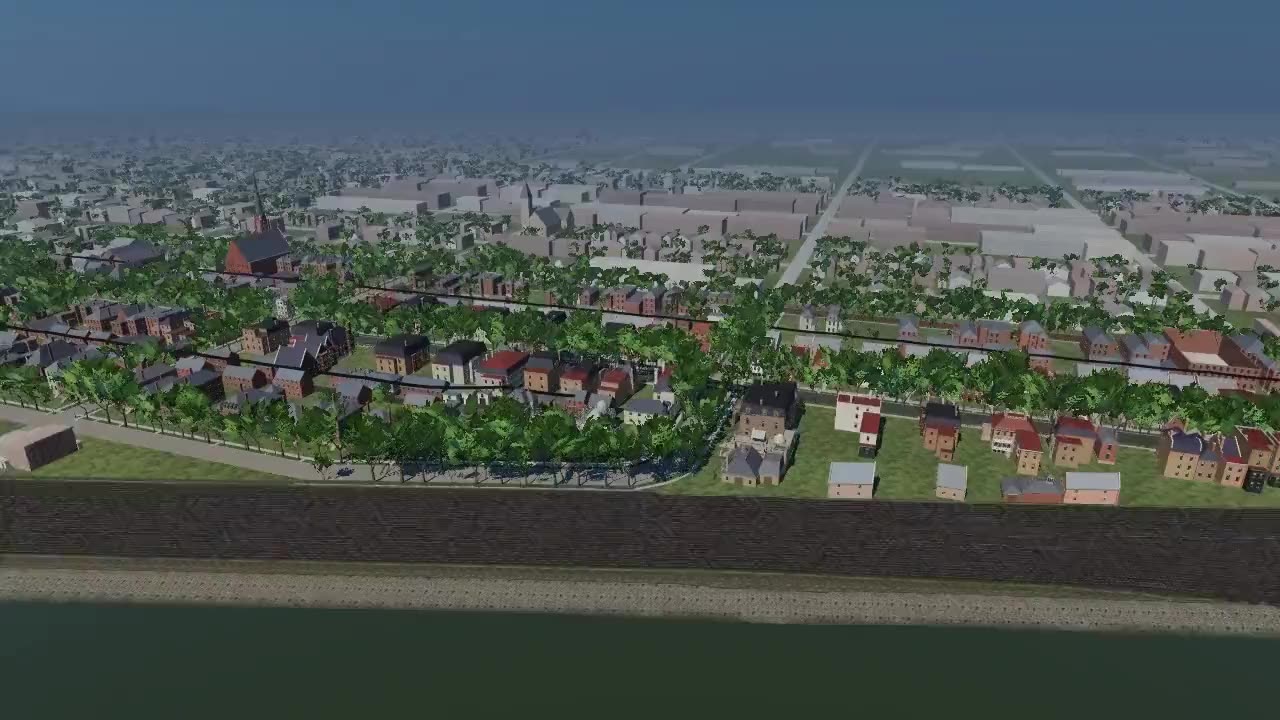
Walk into Chicago's past.
A walkable 3-D reconstruction of the city at three moments: Fort Dearborn in 1812, the river town of 1835 and Prairie Avenue in 1904. The streets are full of people going about their day, horse teams you can drive, boats you can row, and stories played out where they happened. Every building carries its sources.
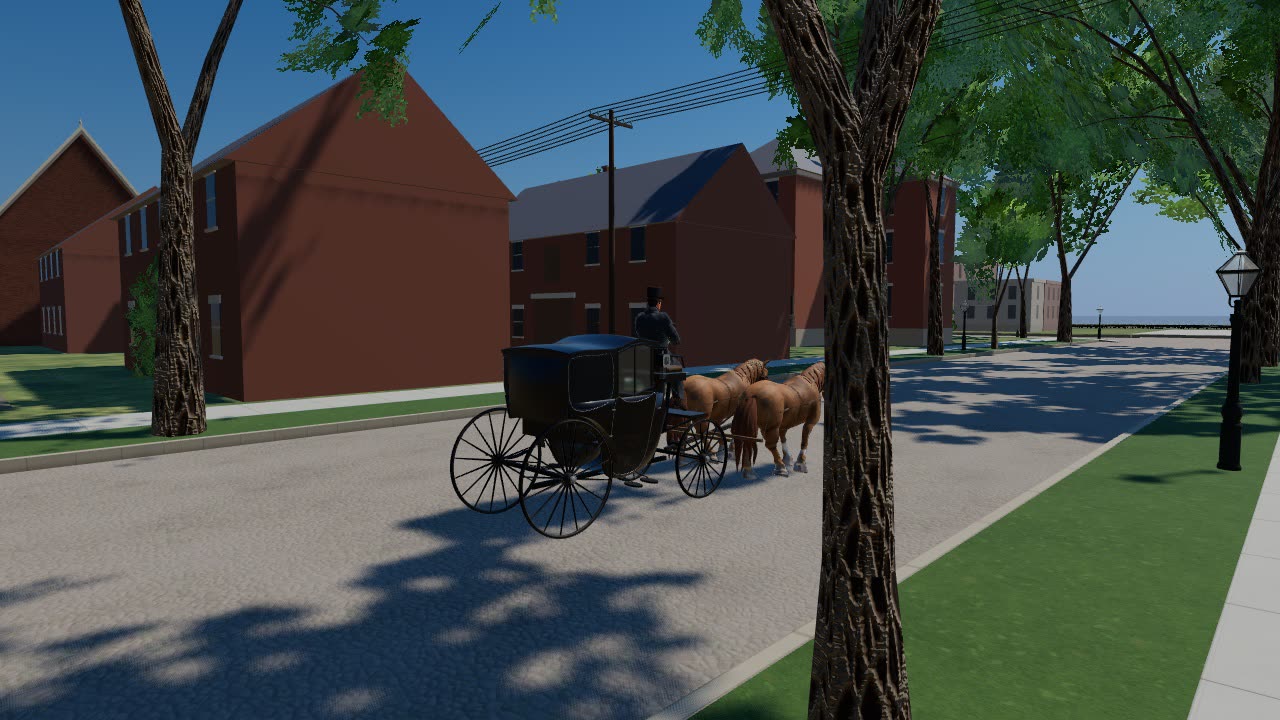 1904 · Prairie Ave
A game-like world built from the record.
4D Chicago looks and plays like a game: walk or fly, open any door, climb aboard a carriage, follow a stranger home. Underneath it is a research dataset. Every wall, roof and resident comes from maps, censuses, directories, memoirs and photographs, and each one shows how sure the record is.
- WalkAny street, any yard, through the doors of 1904 houses and up their stoops.
- MeetThousands of people from the records, at home, at work and in the street: greet them, ask for their story.
- RideCarriages and wagons you can board and drive; boats you can paddle across the river.
- LearnGuided jaunts for grades 3 to 10, read aloud by narrators and the people themselves.
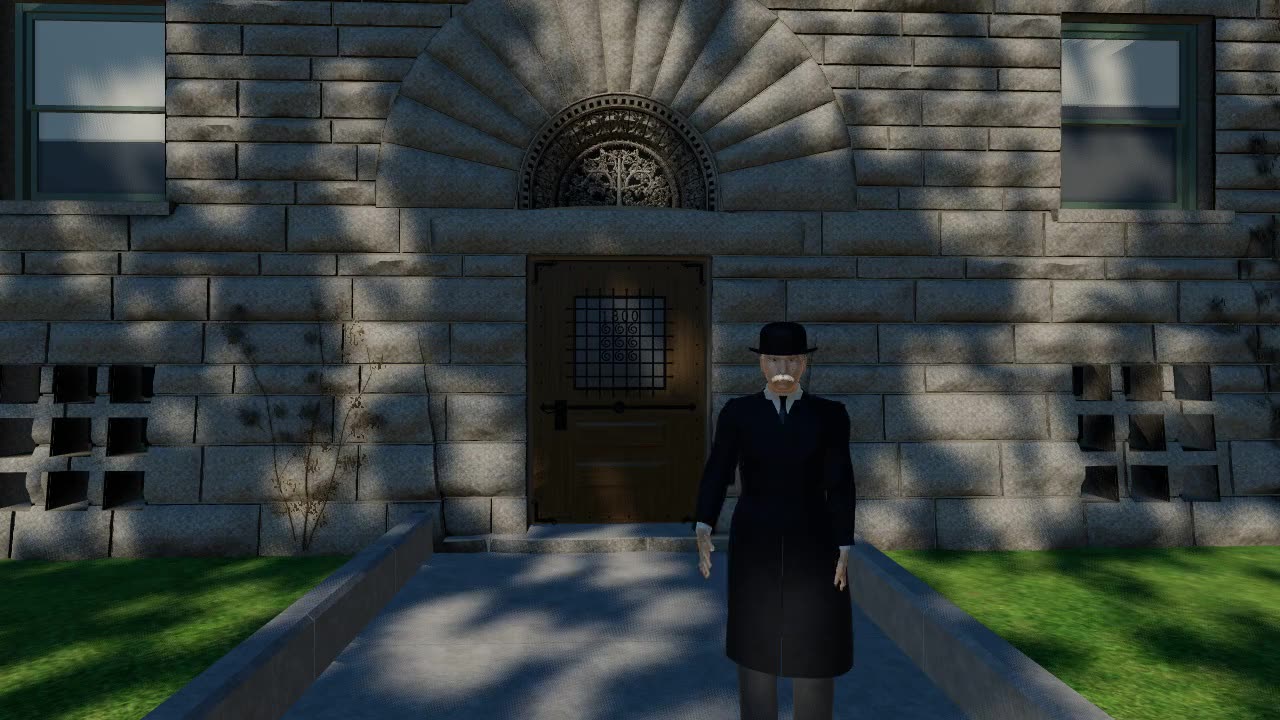 1904 · John Glessner at his door
Walk up to history and say hello.
The people of 4D Chicago are the people the records name: the soldiers, traders and Potawatomi families of Fort Dearborn, the shopkeepers and boarders of the 1835 town, the Glessners, the Pullmans and the cooks, maids and coachmen who worked for them. Walk up to any of them. Greet them and they stop, turn to you and touch a hat brim, and their card tells you who they are. Ask for a story and they tell you one. Knock at a door and ask for someone by name, and if they are home they come out to meet you.
- GreetAnyone in the street stops and turns to you; their card shows their name, family, home and work.
- Tell me a storyAsk anyone, in any year, for a story: their own first, then the town's.
- KnockAsk at a door for someone who lives there, and they come out to you.
- FollowWalk with them to work, to the store and home again, through their day.
- How we knowEvery line on a card shows its source: a census, a directory, a letter or a memoir.
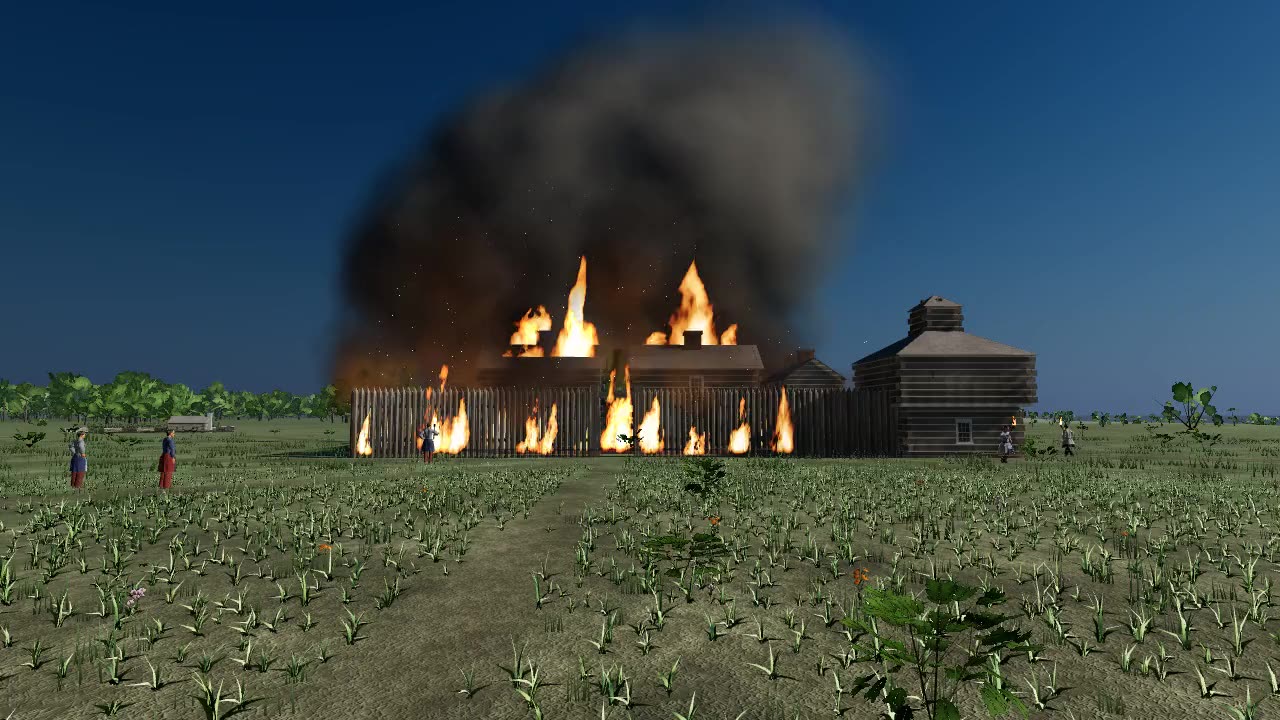
Watch Fort Dearborn burn.
The morning after the battle, the young men come up from the camps with brands from their fires and the empty fort goes up: the pickets first, then the barracks and the blockhouses, roof after roof, until only the little brick magazine stands in the ashes. Then take a brand and put it to the logs yourself.
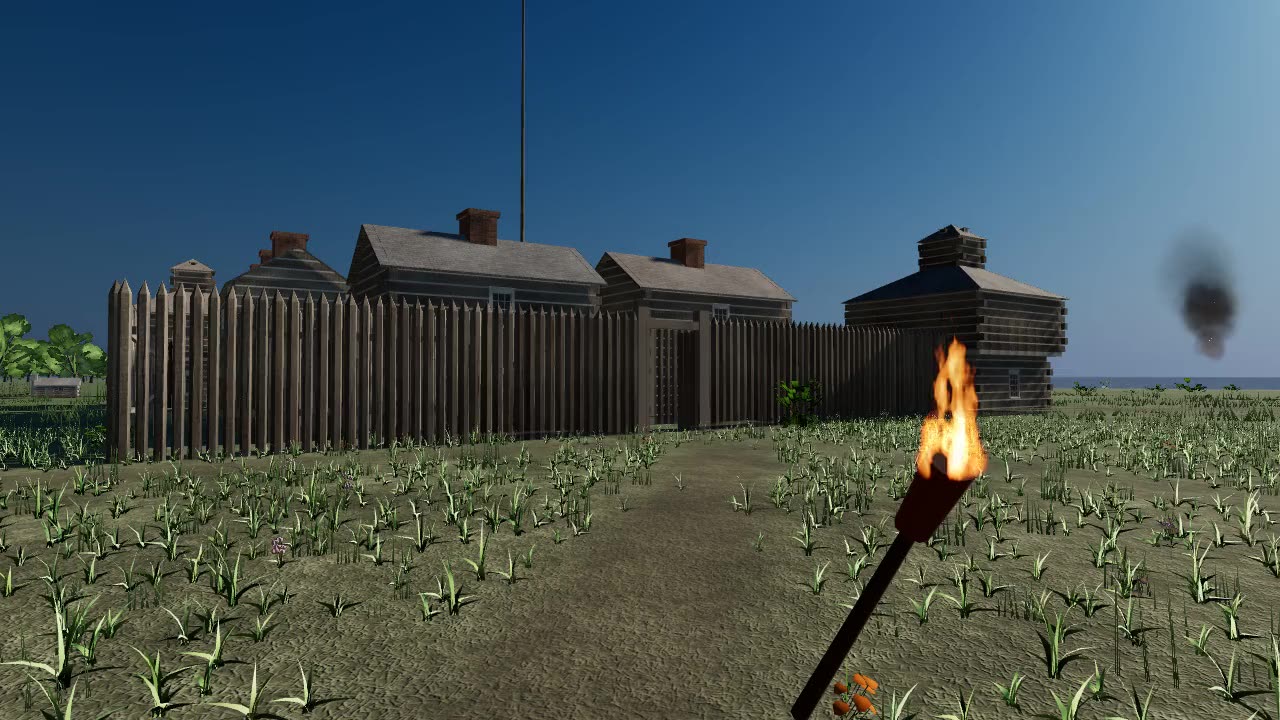 08:00 · the brands go in
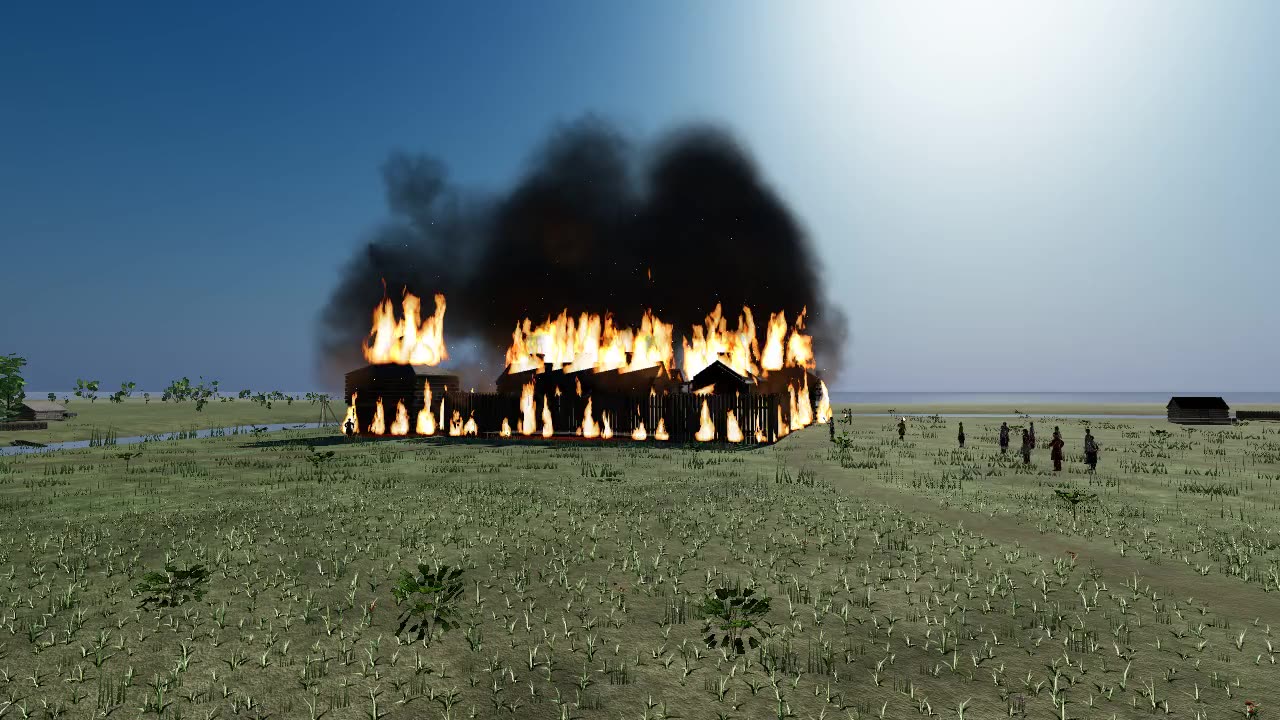 From across the river
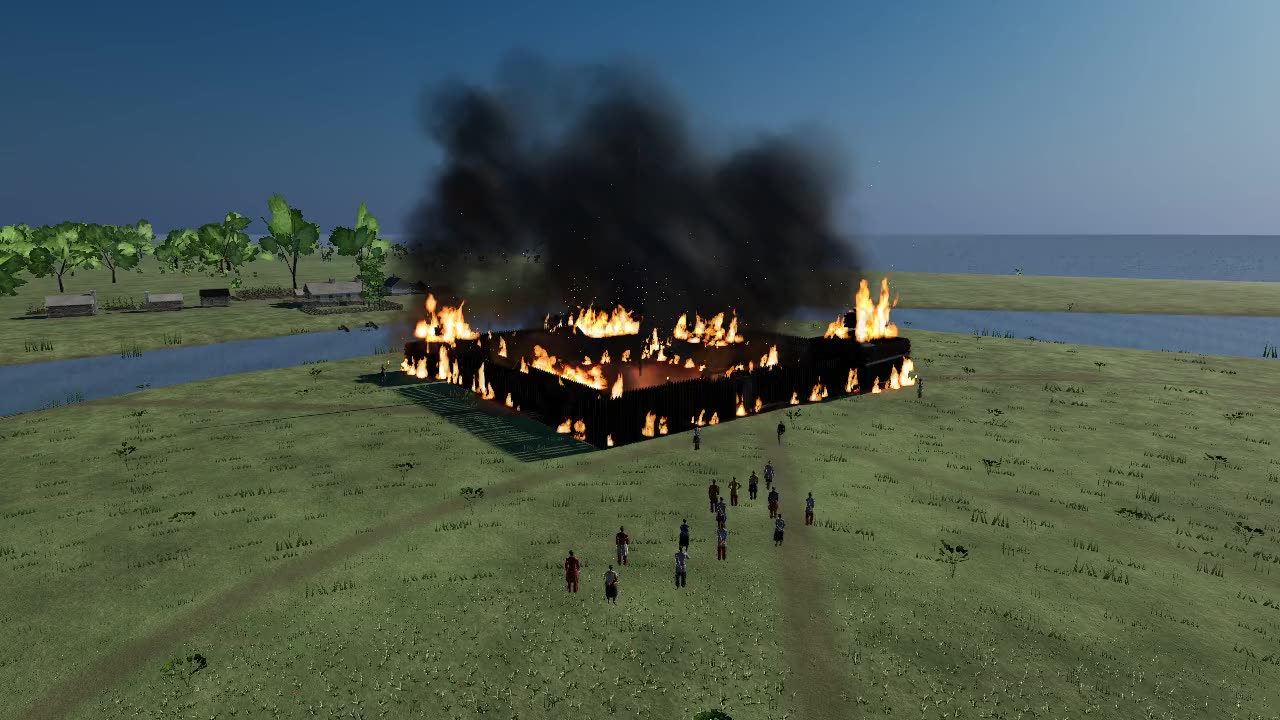 From above
Six ways into the town.
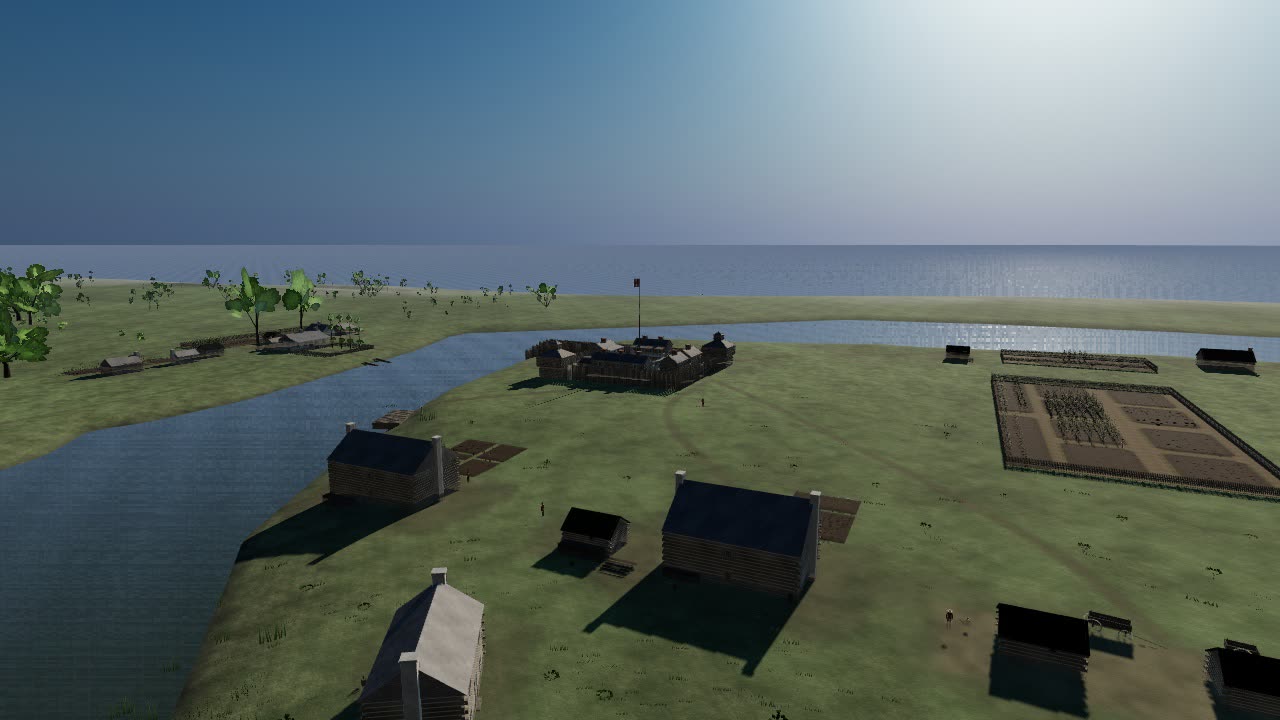 Coord 03 · 1812
Three moments in time
Fort Dearborn on the eve of 1812's battle, the boom town of 1835, and Millionaire's Row in 1904. What stands in each, and how it was rebuilt.
Open the eras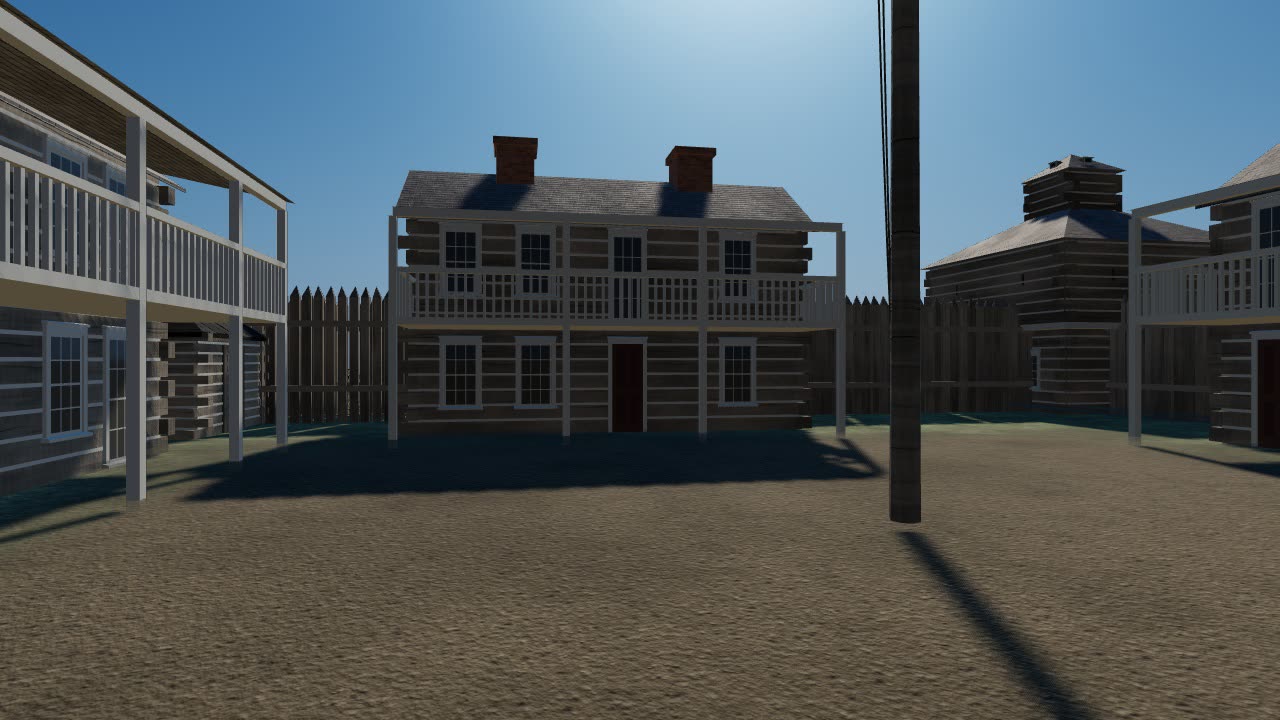 Jaunt · 1812 parade
Stories that play out where they happened
Guided walks and story jaunts, voiced by narrators and by the people who lived them, filtered by school grade.
Open the jaunts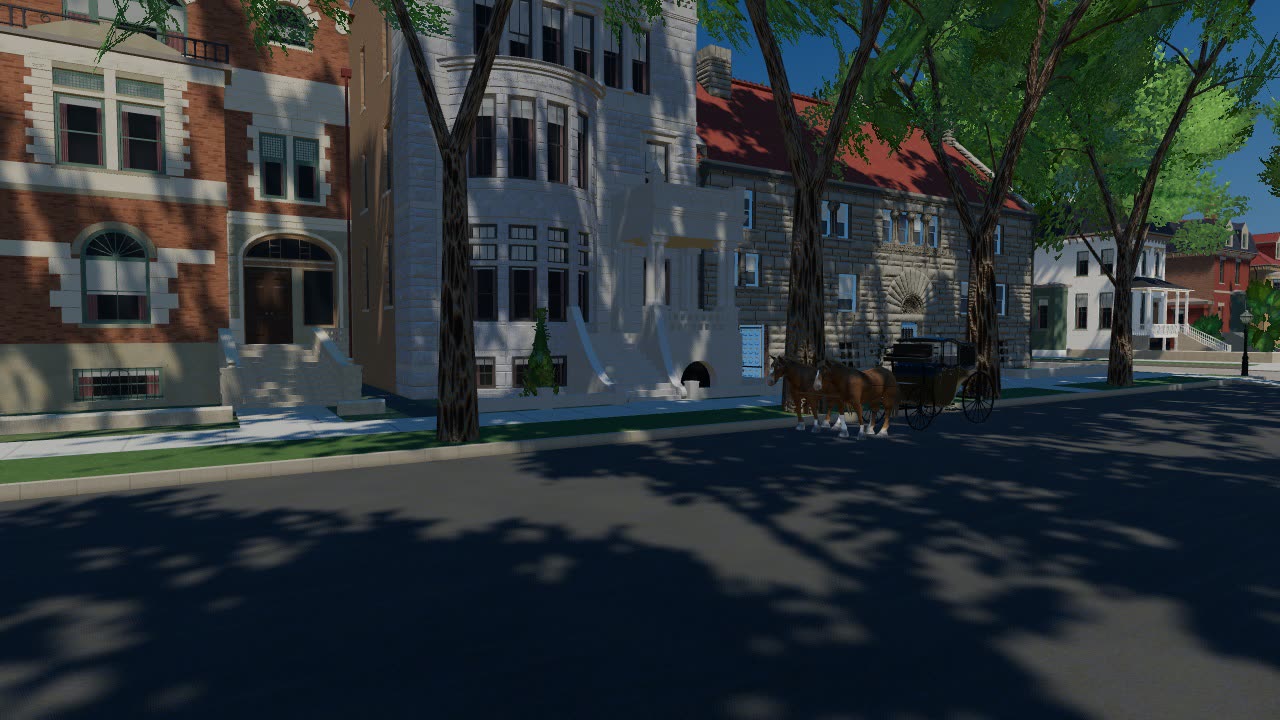 1904 · Eighteenth St
A living town
The people the records name, going about their day. Greet them, ask for their story, knock and ask for them by name.
Meet them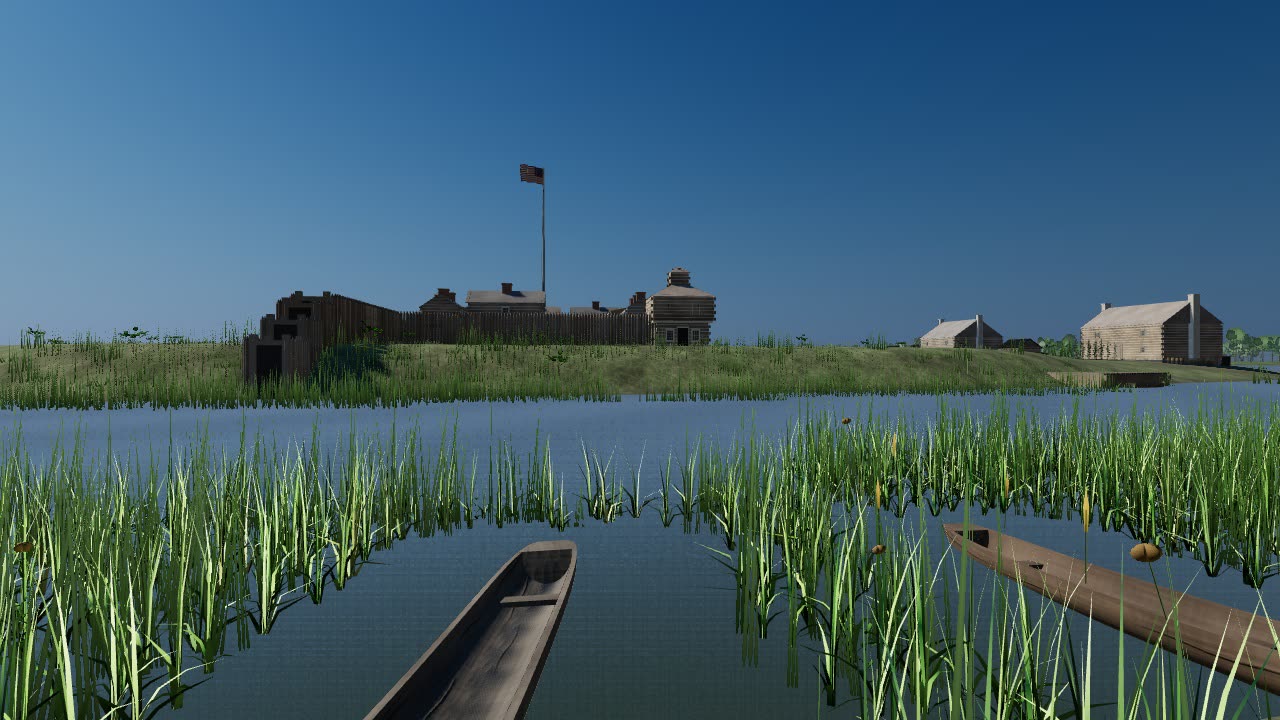 1812 · crossing
Climb aboard
Drive a brougham down Prairie Avenue, ride a freight wagon, paddle a dugout across the river.
Take the reins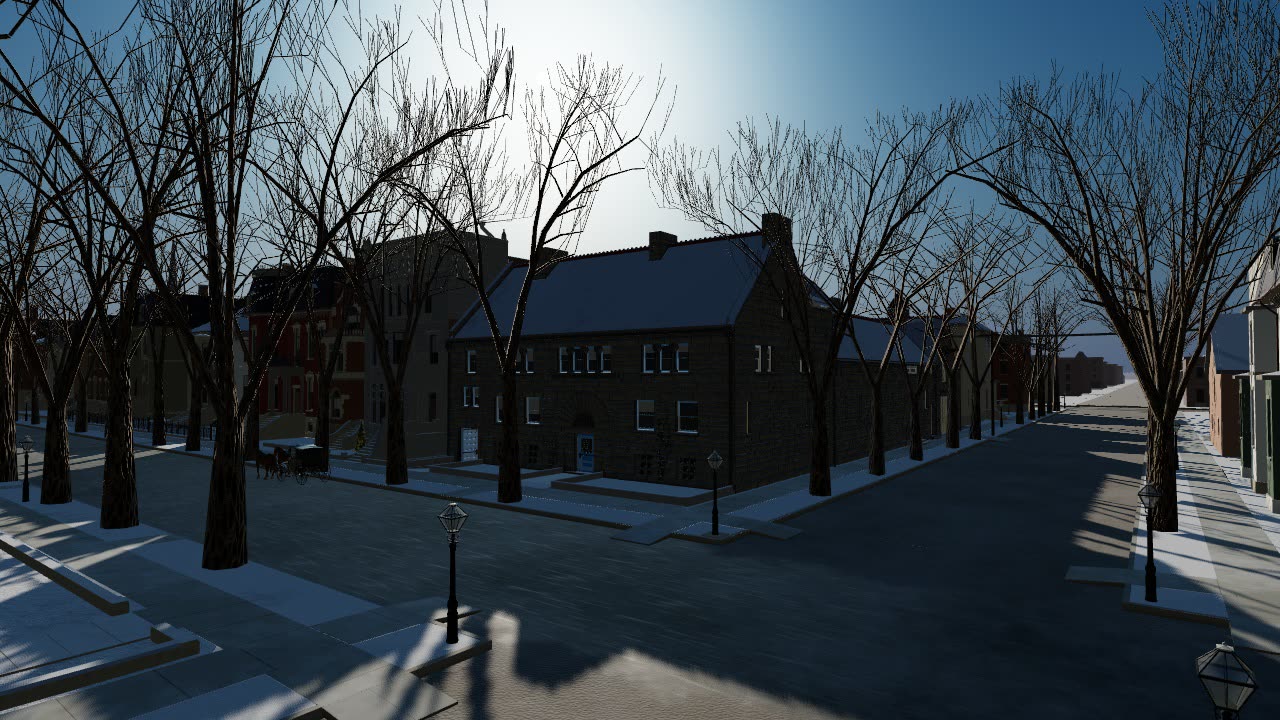 Season · winter
Any hour, any season
Seasons, sunsets, birdsong and wind, a live window onto today's street, and a VR headset mode.
Change the weather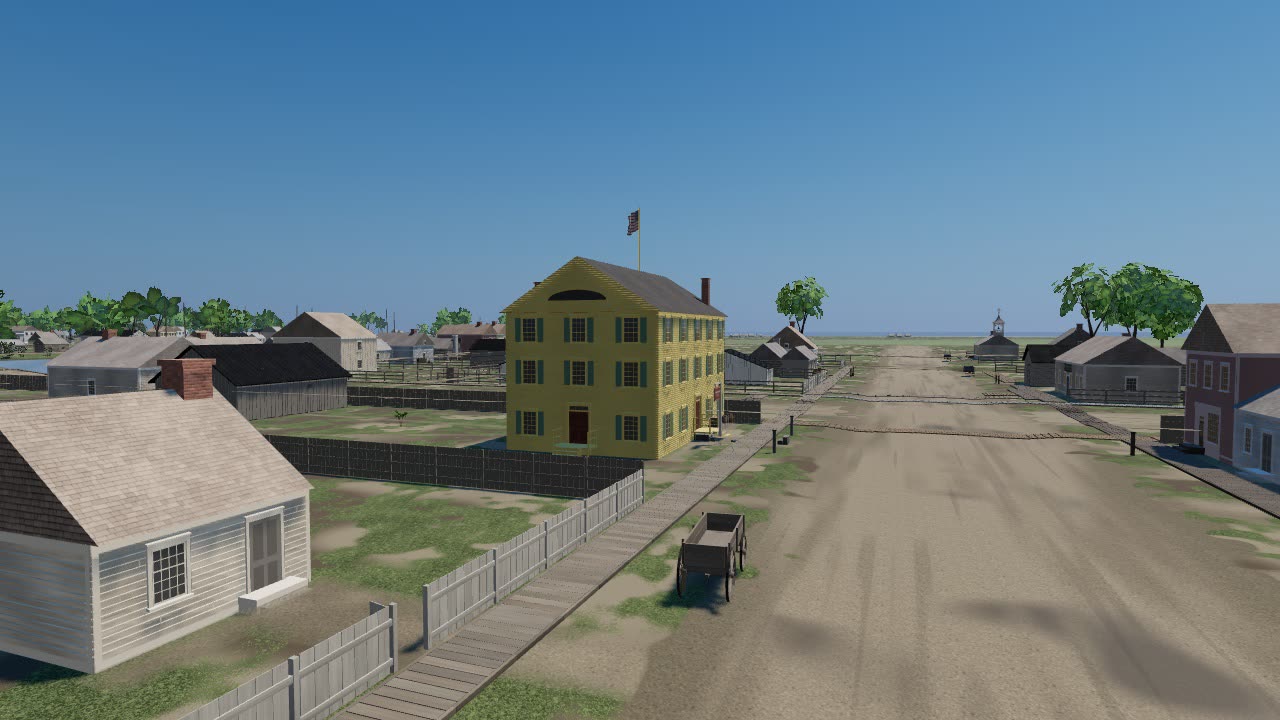 1835 · Lake St
Every surface carries its evidence
Photographs matched camera to camera, three grades of certainty, and every liberty written down.
See how it's built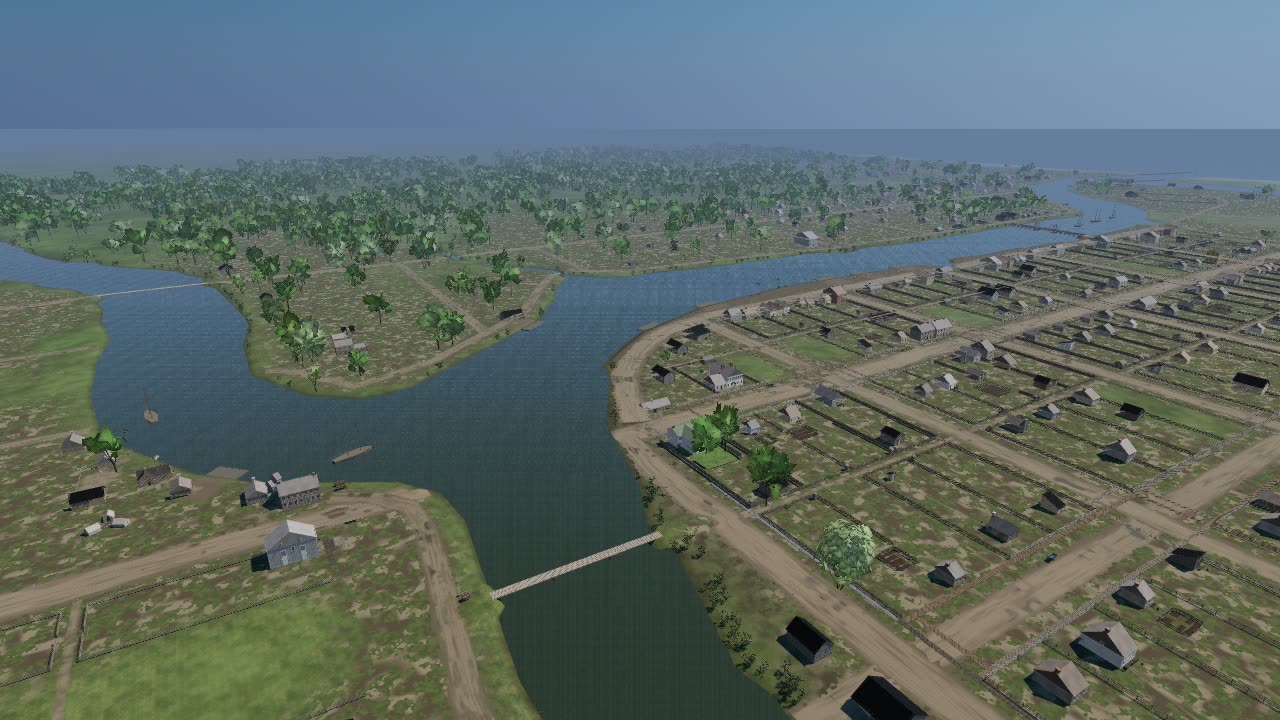 Coord 01 · 1835
The river town at the forks
Taverns, wharves and the second Fort Dearborn, with the whole town of 1835 coming and going from its homes and shops.
Go to 1835From a census page to a street you can walk.
Five stages, every one of them on the record. Watch a few sources make the trip.
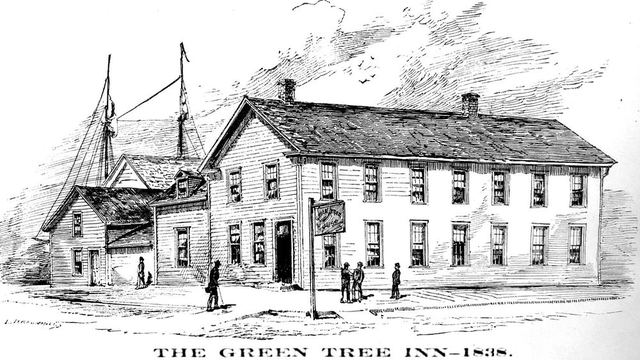
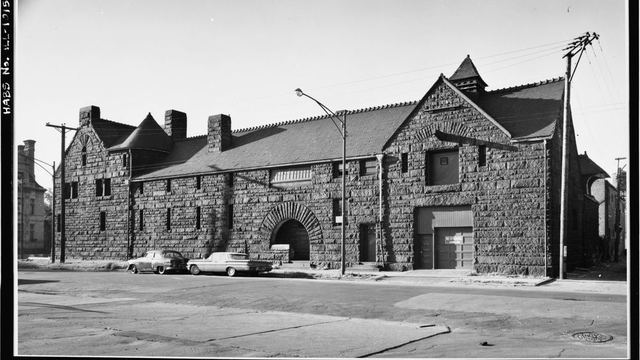
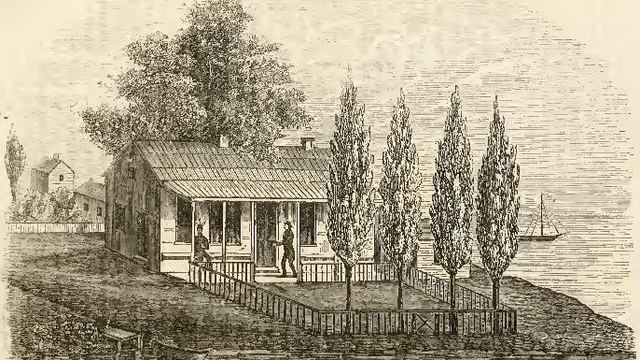
Gather
Maps from the 1830 Thompson plat to the 1911 Sanborn sheets. Manuscript censuses, city directories, HABS photographs, engravings, and memoirs like Juliette Kinzie's Wau-Bun.
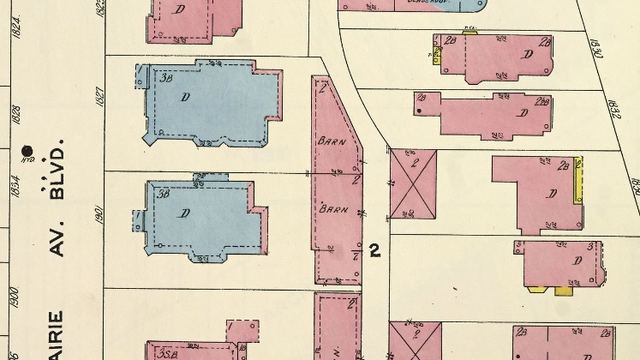
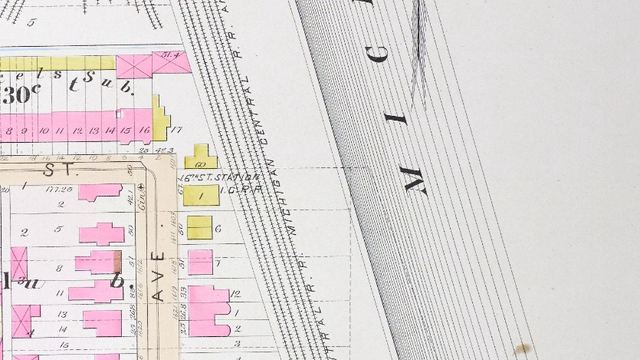
Read & place
Maps are pinned to the land-survey grid; the river, the shore and every footprint are traced. Census sheets are read line by line, and each name is matched to a directory entry and a lot.
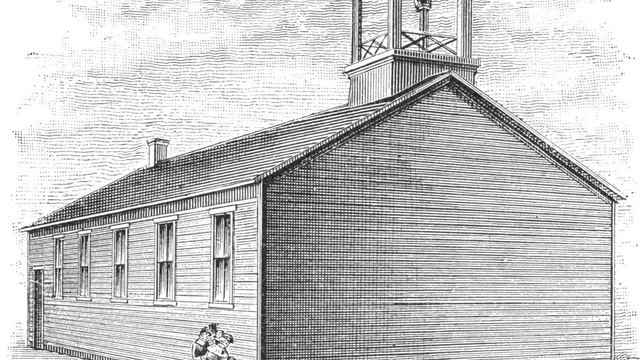
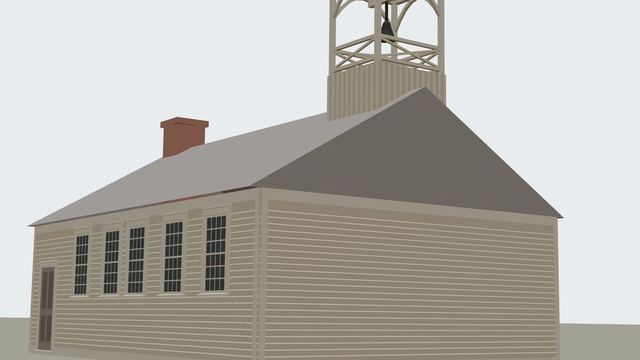
Match & grade
For each picture the photographer's camera is solved and the model compared to it. Every fact is graded attested, inferred or reconstructed, and the gaps stay visible.
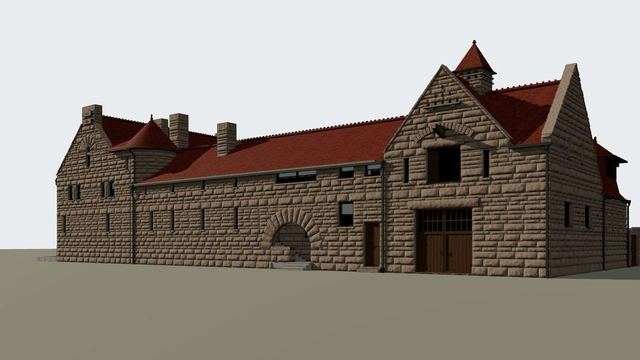
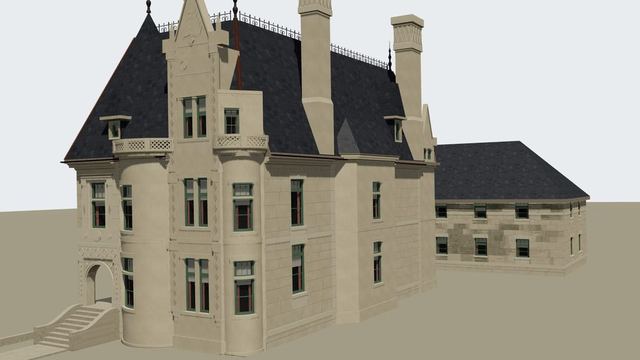
Build
Each record is turned into geometry: walls, roofs, porches, fences, trees. Every model carries its sources with it, so the town can always say where a wall came from.
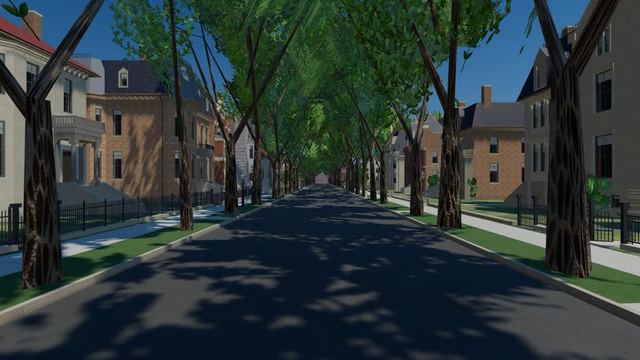
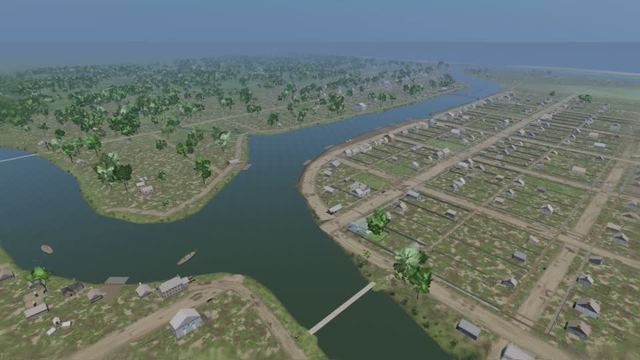
Walk
The year streams into the browser on a phone, a laptop or a headset. Click a building and its record opens; switch on the confidence view and the whole town shows how sure it is.
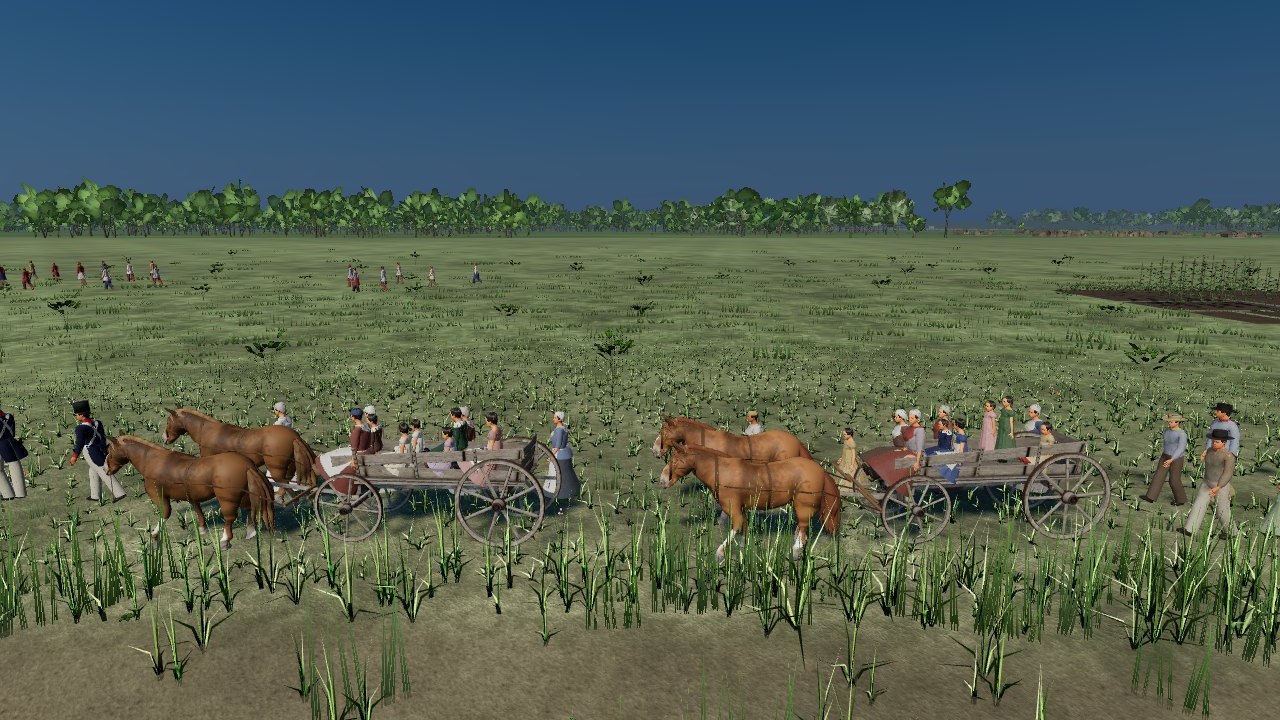 1812 · staged jaunt
The town keeps growing.
- Watch Fort Dearborn burn, and carry a brand yourself
- 1812 jaunts staged with the people who were there
- Ten new 1904 story jaunts, played by the street
- Jaunts read aloud in chosen voices
- Hosts talk with their own voices
- Tell me a story: ask anyone in town for theirs
- 1835 townspeople come and go from homes and shops
- Today window: the same spot in Street View
- Climb aboard any carriage or wagon and drive
- Ride inside the Glessner brougham
- Two more carriages give way at crossings
- Paddle a boat across the 1812 river
- Walk the town in a VR headset
- Birds, insects and wind in every season
- Jaunts filtered by school grade
Something new lands most days. The app's own What's New panel lists every change, newest first.
History you can stand inside.
Every jaunt is measured for reading level and tagged by grade, so a class can pick the right one in the Jaunts menu. The narrator reads each stop aloud, and the people of the town tell their own part. The hard parts of the city's history are told honestly and with care.
- Glessner HouseThe household's own tour, for grades 3–5 and 6–8.
- Fort DearbornThe Battle of 1812 told as the build-up and the aftermath, for students.
- ArchitectureItalianate, Second Empire and Romanesque walks down Prairie Avenue.
- Errands of 1835Buy a coat, find a bed, ship freight: daily life in a frontier town.
Choose a year. Step through.
4D Chicago runs in your browser: no install, on a computer, a phone or a VR headset. Sign in once and every year is open.
Opens the Temporal Observatory · pick a destination · W A S D to walk, or the thumb stick on a phone